Every year on 22 March, the world comes together to celebrate World Water Day, raising awareness of the importance of water and the need to protect this vital resource. In our project, World Water Day was a perfect opportunity to combine environmental education, international collaboration, and student creativity.
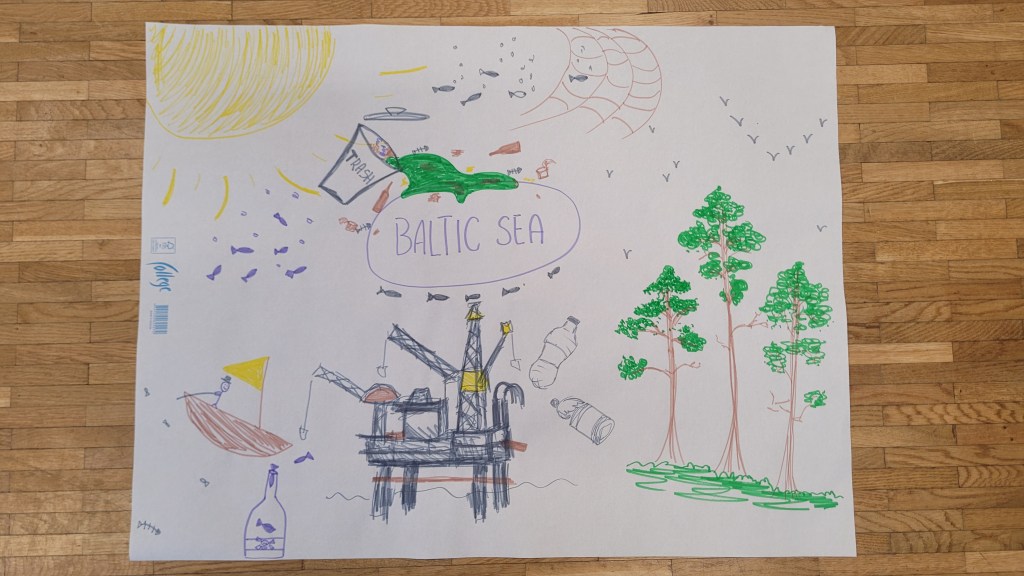
Why water matters to us
Water is at the heart of life, communities, and sustainable development. As our project focuses on environmental responsibility and the protection of aquatic ecosystems, World Water Day naturally became a meaningful moment to pause, learn, and take action together. It also allowed our students to reflect on how water connects us across borders and how our everyday choices affect seas, rivers, and oceans.
Learning through action
Inspired by the themes of World Water Day, our students explored water from multiple perspectives. Activities varied between partner schools but were united by a shared goal: understanding the value of clean water and learning how to protect it.
During the project activities, students:
- Investigated local water sources such as rivers, lakes, and coastal areas
- Discussed global and local water challenges, including pollution and climate change
- Learned how human activities impact water quality and marine ecosystems
- Connected water issues to our shared responsibility for the Baltic Sea
These activities encouraged students to think critically and compare water-related challenges in different countries.
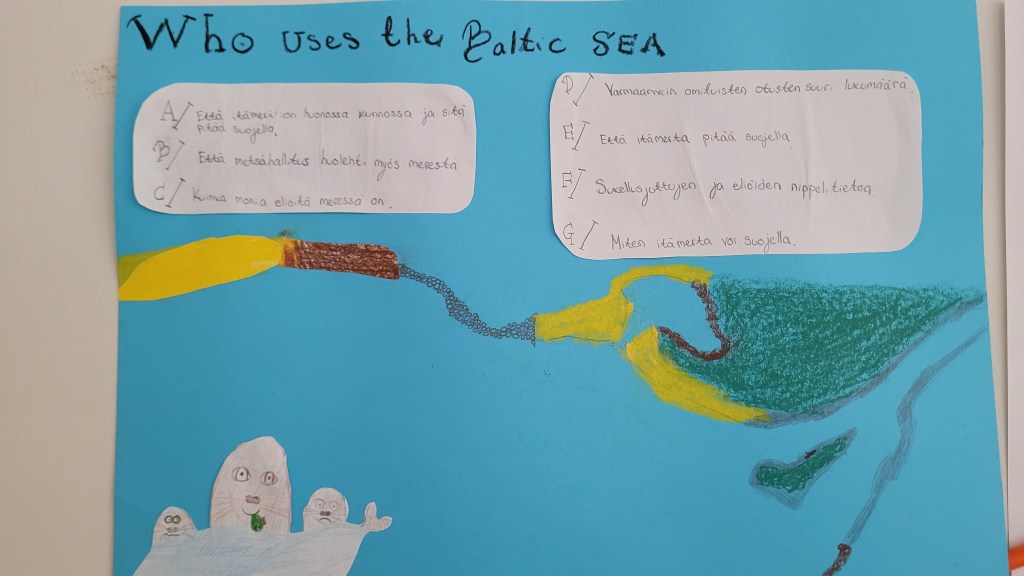
Creative outputs and collaboration
Creativity played a key role in celebrating World Water Day. Students expressed their learning through:
- Posters and infographics about water conservation
- Short presentations and video messages shared with partner schools
- Digital exhibitions highlighting “water-friendly” habits
- Reflections on how small actions can make a big difference
Working internationally gave students authentic reasons to use their foreign language skills and helped them see water as a shared European and global concern.
From awareness to action
World Water Day was not only about learning facts—it was also about changing habits.
Many students committed to simple but impactful actions, such as:
- Reducing water waste at home and at school
- Avoiding unnecessary plastic use
- Sharing water-saving tips with family and friends
- Paying closer attention to how everyday choices affect waterways
These discussions helped students understand that protecting water starts with individual responsibility.
What this day gave our project
Celebrating World Water Day strengthened our project in many ways. It supported sustainability education, fostered international dialogue, and gave students a real‑world context for environmental topics. Most importantly, it empowered young people to see themselves as part of the solution.
World Water Day reminded us that water connects us all—and that working together across borders makes learning more meaningful and impactful.

