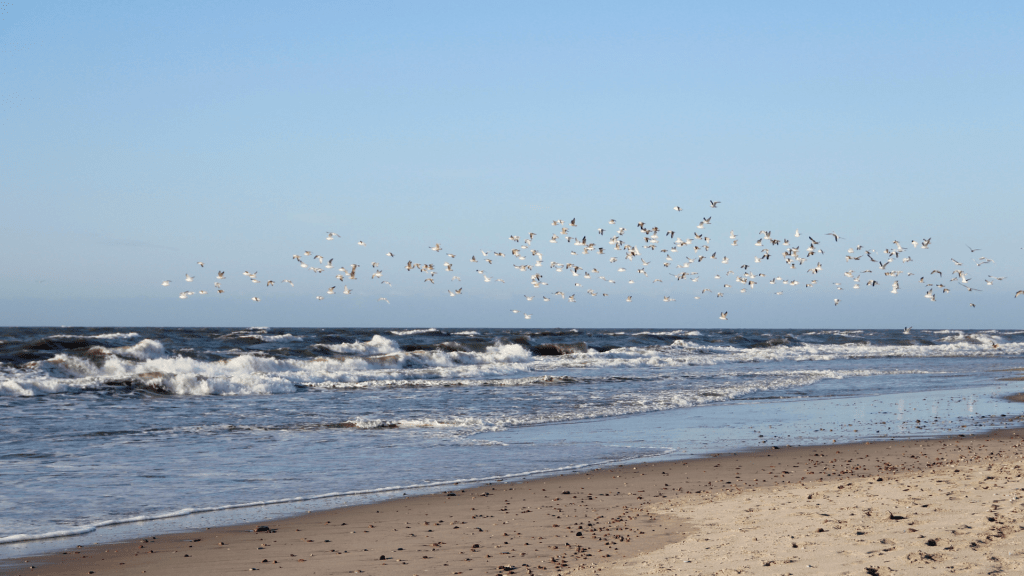
Tips on how to celebrate World Water Day shared by Telšiai Žemaitė Gymnasium
- Worthwile although time-consuming. Organize students into groups and ask them to create a video about a local natural water source. Supply guiding questions to direct their efforts. For example,
Human Interaction and Impact:
- How do people use this water source (irrigation, recreation)?
- What are the local legends or stories associated with this water source?
- What measures are in place to protect the water source from pollution or overuse?
- What are the potential future challenges or threats to this water source?
- What can be done to conserve and protect this water source? What are individual and community responsibilities?
- Ready-made. Watch a video https://learnenglishteens.britishcouncil.org/study-break/video-zone/world-water-crisis and complete the tasks related to it on the site.
- Questions on Water Footprint for oral discussions / a class survey / a presentation / a poster:
Awareness and understanding:
- What is a water footprint?
- Name 3 things you use daily that require a lot of water to produce.
- Do you know where your drinking water comes from?
- Is all water on Earth drinkable? Why or why not?
Personal consumption:
- How long is your average shower? How could you shorten it?
- Do you often leave the tap running while brushing your teeth?
- How much bottled water do you consume weekly ? What’s the environmental impact?
- How often do you wash your clothes? Could you wash less frequently or with a full load?
- What types of food do you eat regularly that have a high water footprint (e.g. meat, dairy)?
Lifestyle Choices and Impact:
- What is the water footprint of your favourite beverage?
- How does the transportation of goods (like your clothes or electronics) affect water use?
- Does your family have a garden or grown any food? How does this affect your water footprint?
- How could your family reduce its water usage at home?
- What are some ways you could reduce your water footprint by changing your diet?
Critical Thinking and Solutions:
- What are the biggest contributors to your personal water footprint?
- How can technology help reduce water footprints in the future?
- What policy changes could help reduce overall water consumption?
 nordplus junior project