Tips shared by Silale district Pajuris Stanislovas Birziskis gymnasium, Lithuania
Tips for Schools: How to celebrate the International Day of Happiness
1. “Happiness Map”
Objective: To create a community happiness map that reflects the places, people and activities that bring happiness to students.
Required tools:
• Large sheet of paper or digital platform (e.g. Padlet, Miro)
• Colored markers/pens or digital tools
• Stickers, photos, pencils
Procedure:
1. Students draw a map of their school, city or region.
2. Each student marks 1-3 places that they associate with happiness (park, library, cafe, sports field, etc.).
3. For each place, a brief (1-2 sentences) explanation, why this place brings happiness.
4. The final map is photographed and shared with partners who create their own map.
5. A class excursion can be organized, during which students present their places of happiness to their classmates.
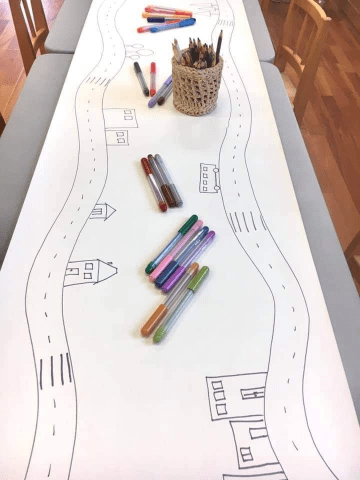
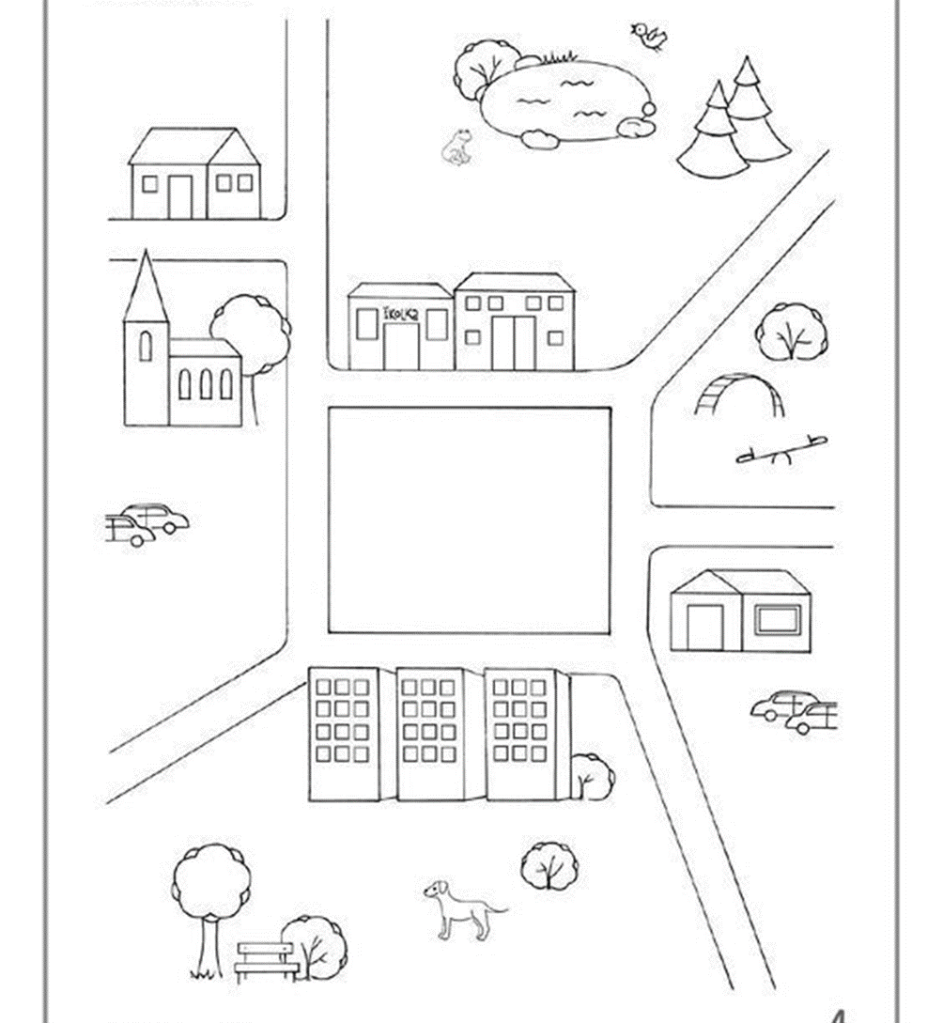
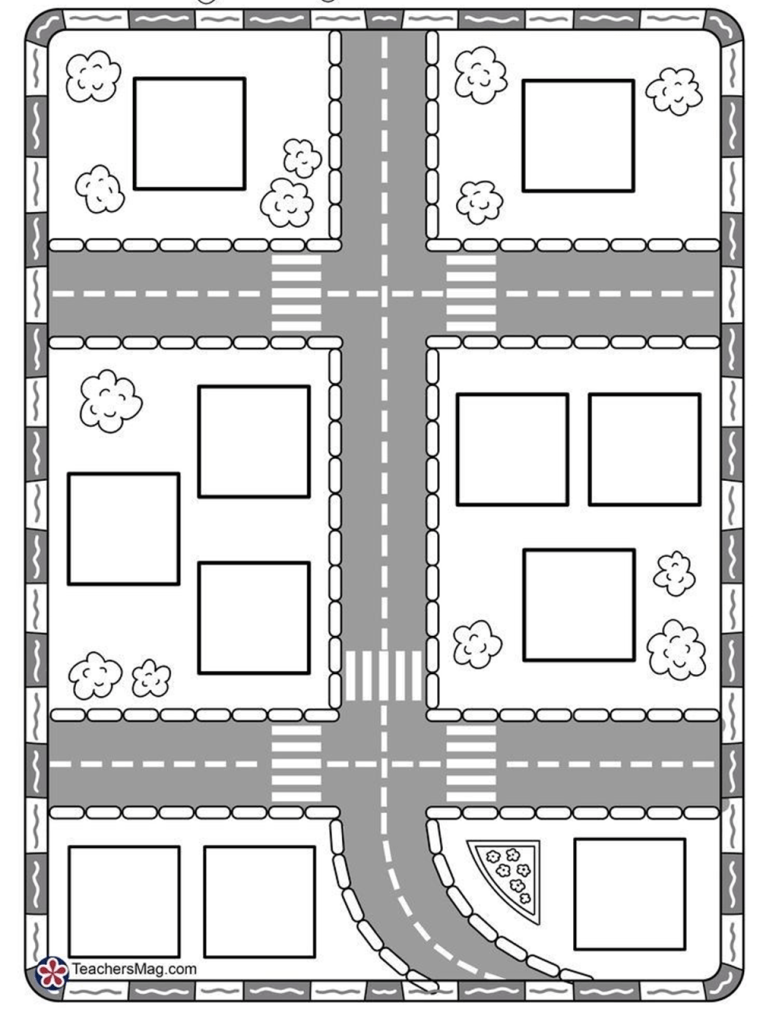
6. You can draw on a separate large sheet of paper, wallpaper – for everyone together, or separately on the provided sample sheets, then combining them into a single drawing.
Samples
2. “Recipes for Happiness”
Objective: To create and share national/regional dishes that are associated with happiness and prosperity.
Required tools:
• Kitchen utensils (if cooking at school)
• Recipe cards
• Camera/phone
• Online platform for sharing recipes
Procedure:
1. Students and their families choose traditional recipes that they associate with a holiday, happiness, prosperity.
2. Each student prepares a recipe at home or, if possible, in the school kitchen.
3. A short story is added to each recipe, explaining why this dish is associated with happiness.
4. An “International Recipe Book for Happiness” is created, combining recipes from all partner schools.
5. A virtual tasting can be organized when everyone prepares each other’s recipes.
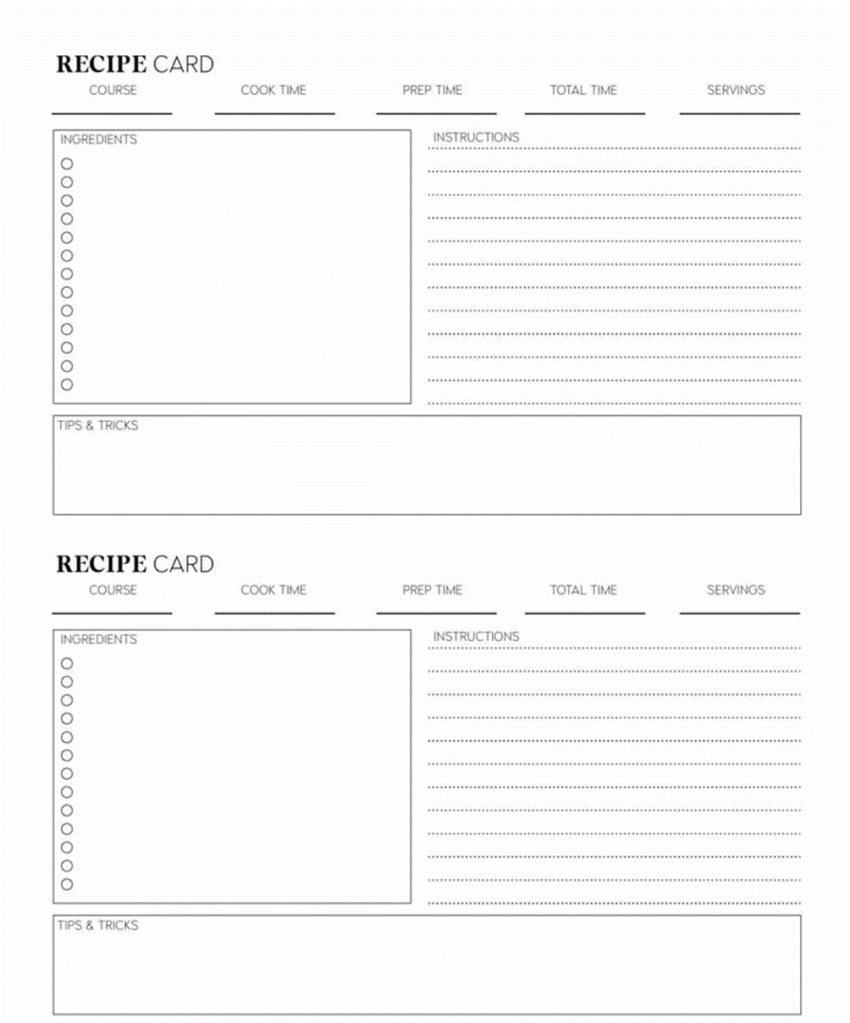
3. “Happiness Interventions”
Objective: To create and implement “happiness interventions” – small but effective actions that can increase the feeling of happiness in the school community.
Required tools:
• Sheets of paper, markers, stickers
• Camera/phone
• Social media platform or school website
Procedure:
1. Students in groups explore positive psychology practices that increase the feeling of happiness (e.g., gratitude practices, random acts of kindness).
2. Each group creates and implements 3 “happiness interventions” in school (e.g., “gratitude wall”, “compliment box”, “random acts of kindness challenge”).
3. The results of the interventions are documented (photos, short videos, feedback).
4. Partners share their interventions and results in a virtual meeting.
5. A common “Happiness Intervention Guide” is created, which can be used in the future.
4. “Happiness Letters for the Future”
Goal: To create an international “happiness letter” for future students, which would be opened in 5 years.
Required tools:
• Paper sheets, envelopes
• Writing instruments
• Decorations for envelopes
• Time capsule or safe place to store letters
Procedure:
1. Students write personal letters in which they share:
- What brings them happiness today
- Their predictions of what will bring them happiness in 5 years
- Advice for their future selves on how to cultivate happiness
2. Copies of the letters are sent to partner schools, and the originals are placed in a “time capsule”.
3. Partner schools exchange letters and read them during a special ceremony.
4. Schools agree to open the time capsules in 5 years and organize a virtual meeting to discuss how the perception of happiness has changed.
5. Additionally, a visual “happiness manifesto” can be created that would express common values and be signed by all participating schools.
 nordplus junior project